
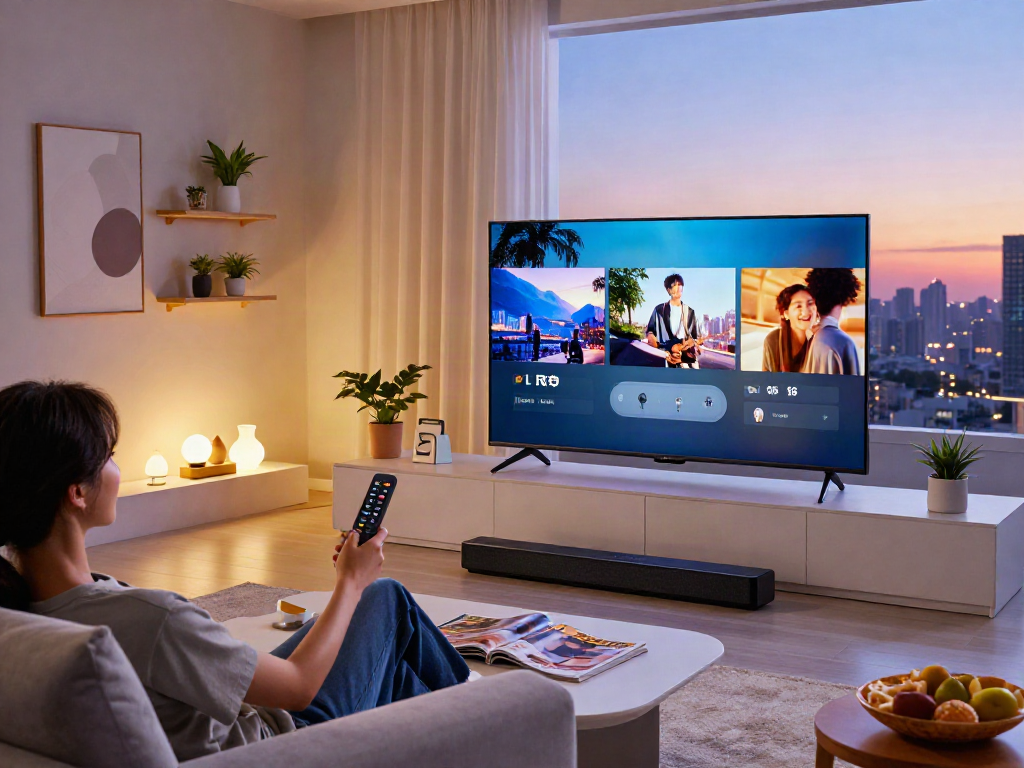
The Rise of Iron TV: Shaping Home Entertainment
In recent years, home entertainment has dramatically transformed, with advancements in technology leading to new viewing experiences. Among the most notable innovations is Iron TV, which has emerged as a revolutionary option for consumers seeking enhanced functionality and engagement. As viewers become more discerning in their content consumption, Iron TV stands out by not only providing high-quality visuals but also an interactive, immersive experience that traditional televisions struggle to match. This article delves into the unique features of Iron TV, its target audience, and how it compares to conventional TVs in today’s market. When exploring options, Iron tv provides comprehensive insights into maximizing user experiences.
What is Iron TV and Its Unique Features?
Iron TV is more than just a display screen; it's a comprehensive home entertainment system designed to integrate seamlessly with modern technology. Characterized by its sleek design, high-definition capabilities, and smart features, Iron TV bridges the gap between traditional TV viewing and interactive media consumption. Some of its standout features include:
- Smart Integration: Iron TV connects to various smart home devices, allowing users to control their environment with regular voice commands or through mobile applications.
- Enhanced Resolution: With support for 4K and even 8K resolutions, Iron TV provides stunning visuals that bring movies and shows to life like never before.
- Interactive Features: The built-in applications enable users to access streaming services, gaming, and social media platforms directly from their screens, creating a multifunctional entertainment hub.
Understanding the Target Audience for Iron TV
The target audience for Iron TV includes tech-savvy consumers who prioritize quality and interactive experiences in home entertainment. This demographic tends to be younger, typically ranging from millennials to Gen Z, who are comfortable navigating technology and seek seamless integration between various digital platforms. Additionally, families looking for an all-in-one solution for entertainment and education may find Iron TV particularly appealing. The emphasis on user experience, quality content, and convenience positions Iron TV as a leading choice in an increasingly crowded market.
Comparative Analysis with Traditional TVs
While traditional TVs have served audience needs for decades, the introduction of Iron TV prompts a reevaluation of what consumers expect from their viewing devices. Traditional models primarily offer passive viewing experiences, whereas Iron TV emphasizes interactivity and engagement. Here are some key comparisons:
- Content Accessibility: Unlike traditional TVs, which require external devices for streaming, Iron TV comes with built-in apps that facilitate direct access to a variety of content platforms.
- Picture Quality: The superior resolution and advanced display technologies in Iron TV outperform standard models, especially for viewers who appreciate cinematic experiences at home.
- User Engagement: Iron TV fosters a more participatory viewing experience through gaming and social media integration, a feature absent in conventional TVs.
Enhancing Viewing Experience with Iron TV
Achieving an optimal viewing experience is crucial to fully enjoy the benefits of Iron TV. To create the perfect atmosphere, specific setups and techniques are recommended.
Optimal Setup: Positioning and Surroundings
When positioning Iron TV, consider factors such as viewing distance, height, and ambient lighting. A distance of approximately 1.5 times the screen size is generally advisable for optimal viewing. Positioning the TV at eye level enhances comfort and reduces strain. Moreover, controlling ambient light through curtains or shades can significantly improve picture quality and reduce glare.
Utilizing Smart Features for Interactive Experiences
Iron TV’s smart functionalities extend beyond mere content consumption. Users are encouraged to explore interactive features such as voice control, which enables hands-free operation. Integrating the TV with smart home devices, such as lights and thermostats, can create immersive environments tailored to specific viewing activities, enhancing overall engagement.
Best Practices for Home Entertainment Integration
Integrating Iron TV into your home entertainment system involves more than just setup. Adopting best practices can improve usability:
- Consolidate Devices: Use a universal remote or smart assistant to manage all devices, simplifying access and control.
- Create User Profiles: Many smart TVs allow for multiple user profiles, enabling customized content recommendations based on individual preferences.
- Regular Software Updates: Keeping the system updated ensures access to the latest features and security enhancements.
Essential Accessories to Complement Iron TV
To maximize the potential of Iron TV, several essential accessories can elevate the home entertainment experience.
Sound Systems: Elevating Audio Quality
A high-quality sound system is crucial for a fully immersive experience. Investing in a surround sound system or soundbar can enhance audio quality, pairing beautifully with Iron TV’s stunning visuals. Options such as Dolby Atmos create a three-dimensional sound environment that significantly impacts movie watching and gaming.
Streaming Devices: Expanding Content Access
While Iron TV likely includes built-in streaming capabilities, adding devices such as Roku or Amazon Fire Stick can further expand content access and app availability. These devices often support a wider array of channels and services, providing users with an even broader selection of entertainment options.
Smart Home Integration: Seamless Control
Incorporating smart home technology can enhance the convenience and functionality of Iron TV. Devices like smart speakers allow users to control their TV and other connected devices through voice commands, creating a cohesive smart home ecosystem that simplifies user interaction.
Troubleshooting Common Iron TV Challenges
Despite its advanced features, users may encounter challenges with Iron TV. Understanding common issues and their solutions can enhance user satisfaction and ensure the device functions optimally.
Video Quality Issues and Their Solutions
Video quality issues, such as blurriness or pixelation, can stem from various factors. Ensuring a high-speed internet connection is crucial; ideally, a wired connection offers the best stability. Additionally, checking HDMI cables for wear and tear or ensuring that the TV settings are appropriately configured can rectify most common video issues.
Connecting to Wi-Fi and Other Devices
For users experiencing difficulties with Wi-Fi connectivity, verifying the network settings on the TV and ensuring the router is functioning correctly are essential first steps. Additionally, being within the optimal range of the router can mitigate connection problems.
Regular Maintenance Tips for Optimal Performance
To maintain Iron TV’s performance, regular maintenance is recommended. Dusting the screen and ensuring proper ventilation around the device can prevent overheating and prolong its lifespan. Additionally, periodically checking for software updates can ensure that users stay in sync with the latest features and security protocols.
The Future of Iron TV and Home Entertainment
Looking ahead, the future of Iron TV and home entertainment is promising, with an array of emerging trends set to shape user experiences in the coming years.
Emerging Trends for 2026 and Beyond
As technology continues to evolve, Iron TV will likely adopt new features, such as fully immersive virtual reality (VR) experiences and enhanced artificial intelligence (AI) capabilities. These trends will further blur the lines between gaming, social interaction, and traditional viewing formats, creating rich, multi-dimensional experiences.
Innovative Content Delivery and User Engagement
Future content delivery platforms will focus on personalized viewing experiences, utilizing AI to analyze viewer preferences and customize content suggestions more effectively. Innovations like interactive storytelling—where viewers influence the plot—will likely gain traction, making entertainment more engaging than ever before.
Predictions: Where Will Iron TV Go Next?
As consumer expectations evolve, Iron TV must adapt to stay relevant. Future iterations may embrace even larger screens, improved energy efficiency, and further integration with emerging technologies. Moreover, partnerships with content creators for exclusive shows or interactive experiences could redefine the model for delivering entertainment, ensuring Iron TV remains at the forefront of home entertainment.