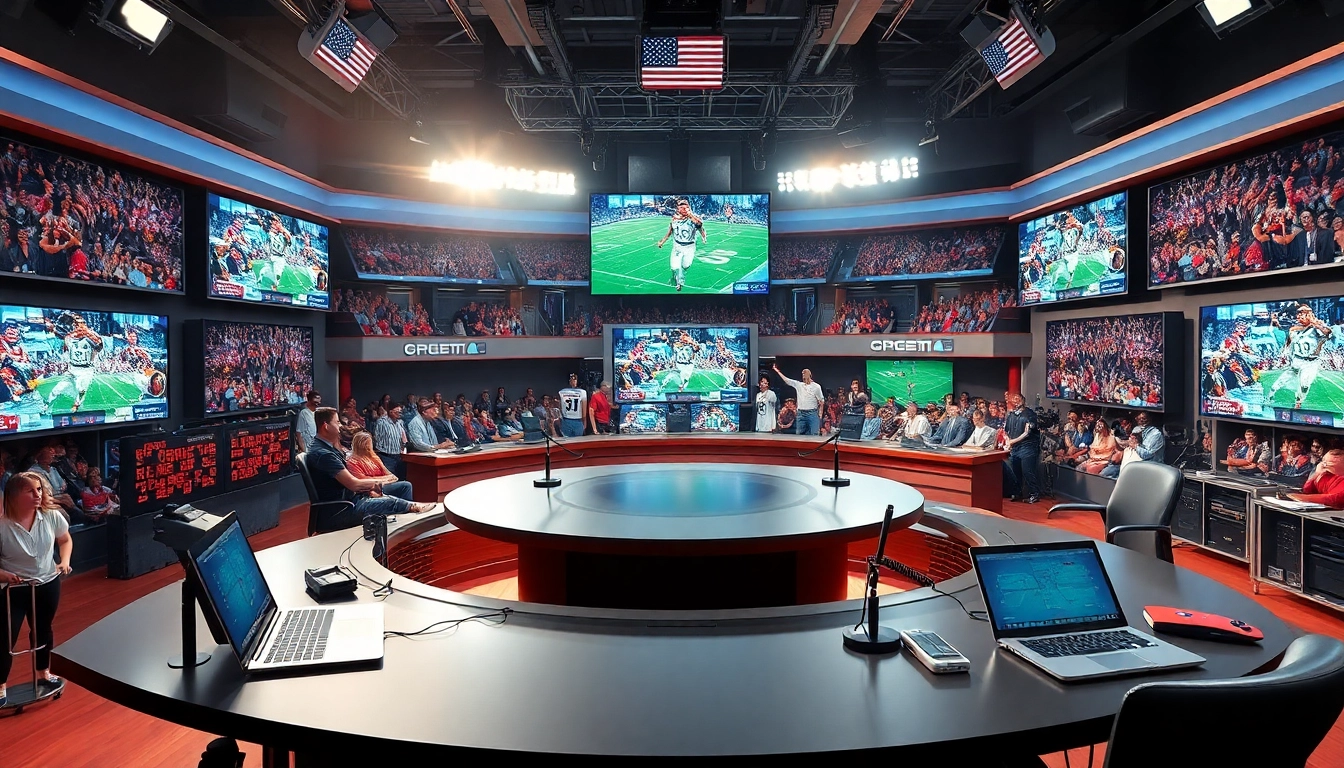
Understanding Sports Broadcasting Fundamentals
Defining Sports Broadcasting
Sports Broadcasting is a specialized field that combines journalism, technology, and entertainment to deliver live sports events to audiences worldwide. It encompasses the production and dissemination of live sports content through various mediums like television, radio, and digital platforms. As a professional arena, it involves not only the presentation of the game itself but also the storytelling around it, providing insights, analyses, and commentary which enhance viewer engagement.
The increased popularity of Sports Broadcasting has transformed it into a lucrative industry. Key stakeholders include broadcasters, advertisers, and sports organizations, all aiming to capture and retain audience attention, ultimately driving revenue through subscriptions, advertising, and sponsorship deals.
Historical Overview of Sports Broadcasting
The history of sports broadcasting can be traced back to the early 20th century when radio was the leading medium. The first live sports broadcast occurred in 1921, featuring a boxing match. This event marked the beginning of a new era in sports, where audiences could experience games in real-time from the comfort of their homes. By the 1930s, sports broadcasting had expanded to include baseball games and other major leagues, further solidifying its popularity.
The advent of television in the mid-20th century revolutionized the industry, bringing visual appeal and a more immersive viewing experience. Iconic moments from major sporting events began to be broadcast, capturing national and global audiences. From the first televised World Series in 1947 to the Super Bowl, sports broadcasting became a staple in American culture.
Digital technology has since transformed the landscape. With the rise of the internet, streaming services, and social media, sports broadcasting has become more accessible, allowing fans to engage with their favorite sports in innovative ways.
Key Roles in Sports Broadcasting Teams
Sports broadcasting relies on a diverse range of professionals working together to create a seamless viewing experience. Key roles include:
- Sports Commentators: These individuals provide play-by-play commentary, offering insights, statistics, and analysis that enhance the viewer’s understanding of the game.
- Producers: Producers are responsible for the overall production of the broadcast. They coordinate logistics, manage on-air talent, and ensure that the broadcast operates smoothly.
- Camera Operators: Capturing the action from various angles is critical in sports broadcasting. Camera operators work to ensure that viewers don’t miss any key moments.
- Audio Engineers: These professionals manage sound quality, ensuring that commentary, crowd noise, and ambient sounds create an engaging auditory experience.
- Graphic Designers: Designers create on-screen graphics, score updates, and other visual elements that help convey essential information to the audience quickly and effectively.
Essential Equipment and Technology for Sports Broadcasting
Microphones and Audio Equipment
High-quality audio is paramount in sports broadcasting, as it ensures that the viewers can hear not only the commentary but also the atmosphere of the event. Different types of microphones are used, including handheld, lavalier, and shotgun mics, each serving distinct purposes. Handheld microphones are typically used for interviews, while lavalier mics are commonly used by commentators and analysts for hands-free operation.
Additionally, audio mixers and processors play a crucial role in managing sound levels and clarity, ensuring that all audio inputs are balanced and of high quality. Wireless audio systems are essential for capturing sound without the clutter of cables, allowing for more dynamic coverage.
Cameras and Visual Equipment
Visual storytelling is vital in sports broadcasting, and high-definition cameras are the cornerstone of any broadcast. Various types of cameras—including handheld, stationary, and cable-suspended cameras—work together to provide diverse angles and produce captivating visual content.
The latest advancements in camera technology, such as 4K and 360-degree cameras, enhance the viewing experience by providing clearer images and immersive perspectives. Drones are also becoming popular in sports broadcasting, capturing aerial shots that provide context and dynamism to the action below.
Broadcasting Software and Streaming Platforms
Technology in sports broadcasting isn’t limited to hardware; robust software solutions also play a significant role in ensuring smooth broadcasts. Professional broadcasting software allows for the integration of graphics, live feeds, and pre-recorded content seamlessly.
Furthermore, streaming platforms have become essential in distributing content online, catering to the growing demand for access to live sports on various devices. These platforms often offer interactive features, allowing viewers to engage with the content actively.
Techniques for Effective Sports Broadcasting
Commentary Styles and Techniques
Effective commentary is key to engaging audiences during sports broadcasts. Commentators often adopt various styles, from passionate and animated to calm and analytical, depending on the sport and audience. Understanding the audience’s preferences can guide the choice of style; for instance, a high-energy approach may work better for fast-paced sports, whereas a more measured analysis suits strategy-heavy games.
Expert commentators blend storytelling with factual analysis, weaving narratives that enhance the audience’s connection to the game. Utilizing statistics and player backgrounds can enrich the narrative, making the sports more relatable and engaging.
Engaging Viewers and Audience Interaction
Engagement extends beyond commentary; actively involving viewers enhances their experience. Incorporating social media interactions during broadcasts, such as featured tweets or polls, allows viewers to contribute their opinions and insights, fostering a sense of community.
Interactive graphics and in-depth analytics give viewers the feeling of being part of the action, creating an immersive experience. The evolution of second-screen experiences, where fans engage with content on their devices while watching the broadcast, has also changed how broadcasters connect with their audiences.
Managing Live Broadcast Challenges
Live broadcasts come with their fair share of challenges, from technical issues to unexpected incidents during events. Preparation is key; broadcasters must have contingency plans to address potential issues such as equipment malfunctions or connectivity problems. Having backup systems in place ensures minimal disruption.
Effective communication among team members is also crucial. Designating roles and responsibilities helps create a sense of teamwork, allowing the team to remain calm and focused under pressure. Additionally, flexibility and quick decision-making can turn challenges into advantages, showcasing a broadcaster’s professionalism.
Best Practices in Sports Broadcasting
Ethics and Responsibilities in Broadcasting
With the power of broadcasting comes responsibility. Journalistic integrity is paramount in sports broadcasting, requiring fairness, accuracy, and respect. Broadcasters should strive to present facts honestly and avoid conflicts of interest that could compromise their credibility.
Additionally, sensitivity towards athletes and their families during sensitive situations—such as injuries or off-field issues—demonstrates professionalism and respect for those involved in sports.
Enhancing Viewer Experiences
Enhancing viewer experience is central to capturing their loyalty. This involves not only delivering high-quality content but also understanding viewer preferences and providing tailored experiences. Analytics can help broadcasters understand audience behavior, allowing them to adjust content delivery and engagement strategies effectively.
Innovative features, such as augmented reality graphics or virtual reality experiences, can elevate the excitement of watching sports, appealing to tech-savvy audiences. Ultimately, providing a unique and memorable viewing experience leads to higher audience retention and growth.
Continuous Learning and Adaptation
The landscape of sports broadcasting is ever-evolving, necessitating broadcasters and production teams to adapt continually. Keeping up-to-date with emerging trends in technology, viewer preferences, and broadcasting methods is essential to stay competitive.
Investing in professional development opportunities, attending industry conferences, and fostering an environment of innovation within teams contribute to sustained success. Continuous learning allows broadcasters to push the envelope, making for more engaging and forward-thinking content.
Future Trends in Sports Broadcasting
Emerging Technologies Shaping Sports Broadcasting
As technology advances, so does the potential for innovation in sports broadcasting. Technologies such as artificial intelligence and machine learning are beginning to play significant roles in automating tasks, analyzing viewer data, and providing personalized content recommendations.
Moreover, blockchain technology offers new opportunities for transparency and trust in broadcasting rights and ownership, which may revolutionize the way content is distributed and monetized.
Changing Viewer Preferences and Behaviors
Modern viewers have distinct preferences, demanding instant access to content and interactive features. The shift towards a multi-platform approach, where viewers engage with content across various devices, is becoming increasingly prevalent.
Moreover, the younger demographic shows a preference for shorter formats and highlights over traditional long broadcasts. Understanding these shifts can dictate how content is created and delivered, ensuring competition for audience attention remains strong.
Opportunities for Careers in Sports Broadcasting
The growth of the sports broadcasting industry translates into a myriad of career opportunities. From on-screen talent like reporters and analysts to behind-the-scenes positions in production and technical fields, the diversity of roles offers something for various skill sets.
Emerging platforms, particularly digital and social media, have widened the career landscape, with opportunities in content creation, audience engagement, and analytics. Aspiring professionals should focus on gaining hands-on experience and staying informed about the latest trends to remain competitive.
Frequently Asked Questions
1. What is sports broadcasting?
Sports broadcasting refers to the distribution of live sports content through television, radio, or online platforms. It includes commentary, analysis, and behind-the-scenes coverage aimed at enhancing viewer engagement.
2. What equipment is essential for sports broadcasting?
Essential equipment includes high-definition cameras, microphones (handheld, lavalier), audio mixers, and broadcasting software—each playing a crucial role in delivering quality content.
3. How has technology changed sports broadcasting?
Technology has transformed sports broadcasting through advanced cameras, streaming platforms, and interactive graphics, making content more engaging and accessible across various devices.
4. What are the ethical considerations in sports broadcasting?
Ethical considerations include accuracy, fairness, sensitivity to athletes’ issues, and maintaining journalistic integrity to build trust with the audience.
5. What career opportunities exist in sports broadcasting?
Career opportunities include roles in commentary, production, graphics design, and technical roles, alongside growing opportunities in digital and social media content creation.
